
Espresso
A small concentrated coffee. This entry means a single; many cafés serve a double.
Explore this drinkCoffee knowledge / ORIGEN
Discover what sets drinks apart, how to prepare them, and what shapes your coffee.
01 / Coffee drinks
A small concentrated coffee. This entry means a single; many cafés serve a double.
Explore this drinkA double espresso uses more dry coffee and produces more coffee than a single, rather than simply running longer.
Explore this drinkA shorter ratio of dry coffee to liquid espresso, often around 1:1 to 1:1.5 by weight. Double versions also exist.
Explore this drinkMore water passes through the same coffee grounds. Often around 1:3 to 1:4 by weight, with no sharp boundary.
Explore this drinkEspresso with separately added hot water. Water changes concentration, not the original coffee dose.
Explore this drinkHot water first, espresso afterwards. Often smaller than an Americano, with no fixed size boundary.
Explore this drinkA Swiss long black pressure-brewed coffee with crema. Cream is optional; automatic machine doses vary.
Explore this drinkCoffee brewed through a filter. Recipe water means water poured, not the finished coffee yield.
Explore this drinkA small espresso marked with a little milk or a dollop of foam. Much smaller than a latte macchiato.
Explore this drinkRoughly equal volumes of espresso and lightly textured warm milk. Our example uses a double; smaller single versions also exist.
Explore this drinkEspresso with finely foamed milk. The Italian reference uses 25 ml espresso and 100 ml milk before steaming; equal thirds are not a universal rule.
Explore this drinkA compact milk drink with thin microfoam. Often a double, but regional versions use a single or double ristretto.
Explore this drinkEspresso with plenty of warm milk and a thin foam layer. Both single and double versions are common.
Explore this drinkTextured milk first, espresso afterwards in a tall glass. Visible layers may form but need not remain distinct.
Explore this drinkUsually roughly half brewed coffee and half warm milk. This example uses filter coffee; regional versions use other preparations.
Explore this drink15 common coffee drinks with dry coffee dose, coffee yield, volume and milk. These editorial ranges reflect different traditions, not a worldwide standard. Example recipes are intentionally more specific than the ranges.
A small concentrated coffee. This entry means a single; many cafés serve a double.
A starting recipe: 9 g → 18 g (1:2)
Explore this drinkA double espresso uses more dry coffee and produces more coffee than a single, rather than simply running longer.
A starting recipe: 18 g → 36 g (1:2)
Explore this drinkA shorter ratio of dry coffee to liquid espresso, often around 1:1 to 1:1.5 by weight. Double versions also exist.
A starting recipe: 9 g → 12 g (1:1,3)
Explore this drinkMore water passes through the same coffee grounds. Often around 1:3 to 1:4 by weight, with no sharp boundary.
A starting recipe: 9 g → 27 g (1:3)
Explore this drinkEspresso with separately added hot water. Water changes concentration, not the original coffee dose.
A starting recipe: 18 g → 36 g + 150 ml
Explore this drinkHot water first, espresso afterwards. Often smaller than an Americano, with no fixed size boundary.
A starting recipe: 18 g → 36 g + 100 ml
Explore this drinkA Swiss long black pressure-brewed coffee with crema. Cream is optional; automatic machine doses vary.
A starting recipe: 10 g → 120 g
Explore this drinkCoffee brewed through a filter. Recipe water means water poured, not the finished coffee yield.
A starting recipe: 15 g + 250 g → ~220 g
Explore this drinkA small espresso marked with a little milk or a dollop of foam. Much smaller than a latte macchiato.
A starting recipe: 9 g → 18 g + 10 ml
Explore this drinkRoughly equal volumes of espresso and lightly textured warm milk. Our example uses a double; smaller single versions also exist.
A starting recipe: 18 g → 36 g + 45 ml
Explore this drinkEspresso with finely foamed milk. The Italian reference uses 25 ml espresso and 100 ml milk before steaming; equal thirds are not a universal rule.
A starting recipe: 9 g → 18 g + 100 ml
Explore this drinkA compact milk drink with thin microfoam. Often a double, but regional versions use a single or double ristretto.
A starting recipe: 18 g → 36 g + 110 ml
Explore this drinkEspresso with plenty of warm milk and a thin foam layer. Both single and double versions are common.
A starting recipe: 18 g → 36 g + 200 ml
Explore this drinkTextured milk first, espresso afterwards in a tall glass. Visible layers may form but need not remain distinct.
A starting recipe: 9 g → 18 g + 200 ml
Explore this drinkUsually roughly half brewed coffee and half warm milk. This example uses filter coffee; regional versions use other preparations.
A starting recipe: 12 g + 200 g → ~175 g + 175 ml
Explore this drinkThese figures describe related recipes, not independently interchangeable minimum and maximum values. Yield, crema, texture and cup size interact. Cup capacity is not a measured beverage yield.
French press, AeroPress, moka pot and Turkish coffee are other brewing methods. Cold brew is extracted cold; iced coffee is brewed hot and chilled. Mocha adds chocolate to espresso and milk; Viennese melange is a regional milk drink. This guide covers common core drinks, not every regional or flavoured version. Arabica and Canephora are species; Geisha and Bourbon are varieties; cappuccino is a drink.
Italian reference recipes and modern café practice differ. The 2017 SCA survey mainly reflects US specialty cafés, not a current worldwide rule. Our ranges and starting recipes are an editorial synthesis; no single source mandates every number shown.
02 / Brewing methods
The machine grinds, doses and brews under pressure. Adjust strength and drink volume gradually.
You control grind, coffee dose and output. A scale makes good results easier to repeat.
Water flows through coffee and a filter. With a hand dripper, you control its flow and distribution.
Coffee steeps directly in water. A metal mesh lets more oils and fine particles into the cup than paper.
Coffee extracts in cold water over a longer period. Concentrates are diluted before drinking, depending on the recipe.
03 / Coffee knowledge
Roasting influences solubility and aromas. Darker does not automatically mean more caffeine or better quality.
Chocolate, fruit and flowers are sensory descriptions. These notes do not imply added ingredients.
Arabica is a coffee species. Origin, cultivation, processing and roasting all shape what you taste.
Geisha and Bourbon are varieties. A name alone is neither a quality guarantee nor a brewing recommendation.
Processing describes how cherries, fruit and beans are handled after harvest. Explore more below.
Processing
The coffee bean is the pit of a cherry. After harvest, it is dried: without the fruit, with part of it, or inside the whole cherry. This single step significantly shapes the flavor.
Select processing
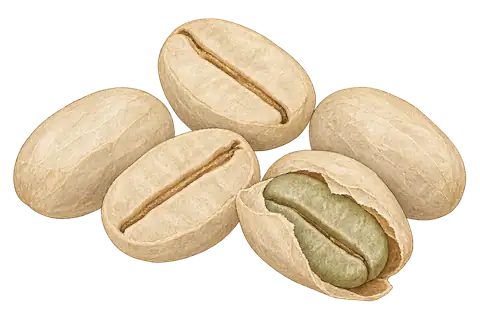
01 · Without fruit
The husk, fruit pulp and sticky layer are removed, and the bean is washed and dried. What remains is the pure character of the bean.
Taste usuallyclear, fresh, fine acidity
At ORIGEN
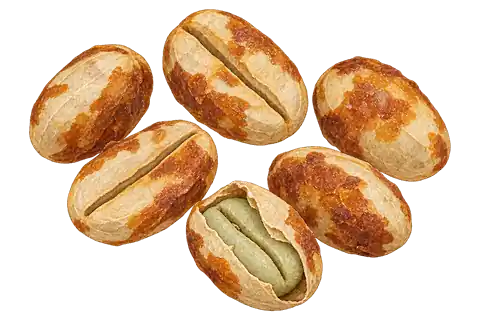
02 · With the sticky layer
The shell and pulp are removed, leaving the sweet, sticky layer underneath to dry on the bean. Hence the name. There’s no honey in it.
Taste usuallysweet, round, soft
At ORIGEN
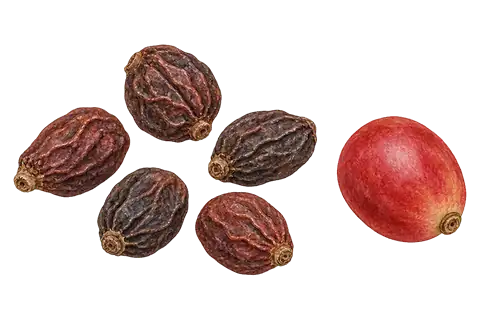
03 · With the whole cherry
The whole coffee cherry is dried before the dried fruit hull is removed. Drying and fermentation influence the final flavor; fruity and sweet notes are possible, but not guaranteed.
Taste usuallyfruity, sweet, intense
At ORIGEN
Understanding coffee / Milk coffees
These figures describe related recipes, not independently interchangeable minimum and maximum values. Yield, crema, texture and cup size interact. Cup capacity is not a measured beverage yield.
25–35 ml · 100–130 ml (Milk before steaming)
A starting recipe: 9 g → 18 g + 100 ml
Combine milk and espresso; for latte macchiato add espresso last.
40–60 ml · 90–130 ml (Milk before steaming)
A starting recipe: 18 g → 36 g + 110 ml
Combine milk and espresso; for latte macchiato add espresso last.
25–35 ml / 40–60 ml · 180–250 ml (Milk before steaming)
A starting recipe: 18 g → 36 g + 200 ml
Combine milk and espresso; for latte macchiato add espresso last.
25–35 ml / 40–60 ml · 180–250 ml (Milk before steaming)
A starting recipe: 9 g → 18 g + 200 ml
Combine milk and espresso; for latte macchiato add espresso last.
From bottom to top: warm milk, espresso, milk foam. Add frothed milk to the glass first, then the espresso. Poured slowly, it often forms a layer between milk and foam. The layers can mix.
40–60 ml · 40–60 ml (Milk before steaming)
A starting recipe: 18 g → 36 g + 45 ml
Combine milk and espresso; for latte macchiato add espresso last.
25–35 ml · 5–15 ml (Milk before steaming)
A starting recipe: 9 g → 18 g + 10 ml
Combine milk and espresso; for latte macchiato add espresso last.
150–220 ml · 150–220 ml (Milk before steaming)
A starting recipe: 12 g + 200 g → ~175 g + 175 ml
Combine milk and espresso; for latte macchiato add espresso last.
“Coffee-forward” describes flavour and the coffee proportion here. It does not indicate caffeine content. Milk and foam are not sharply separated in practice.
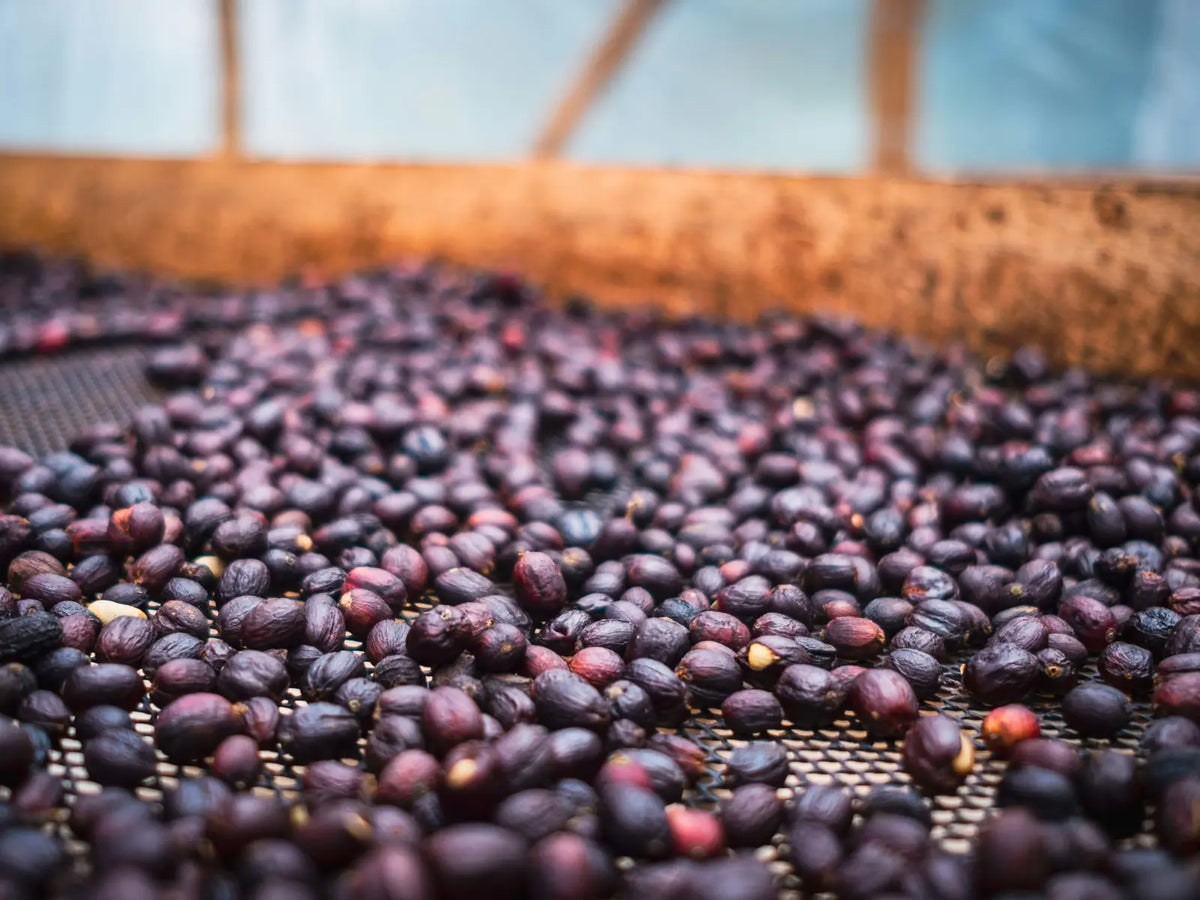
Processing / Natural
In the natural process, the seeds dry inside the whole coffee cherry. Drying and fermentation can impart fruity and sweet nuances; the result also depends on origin, variety, and roasting.
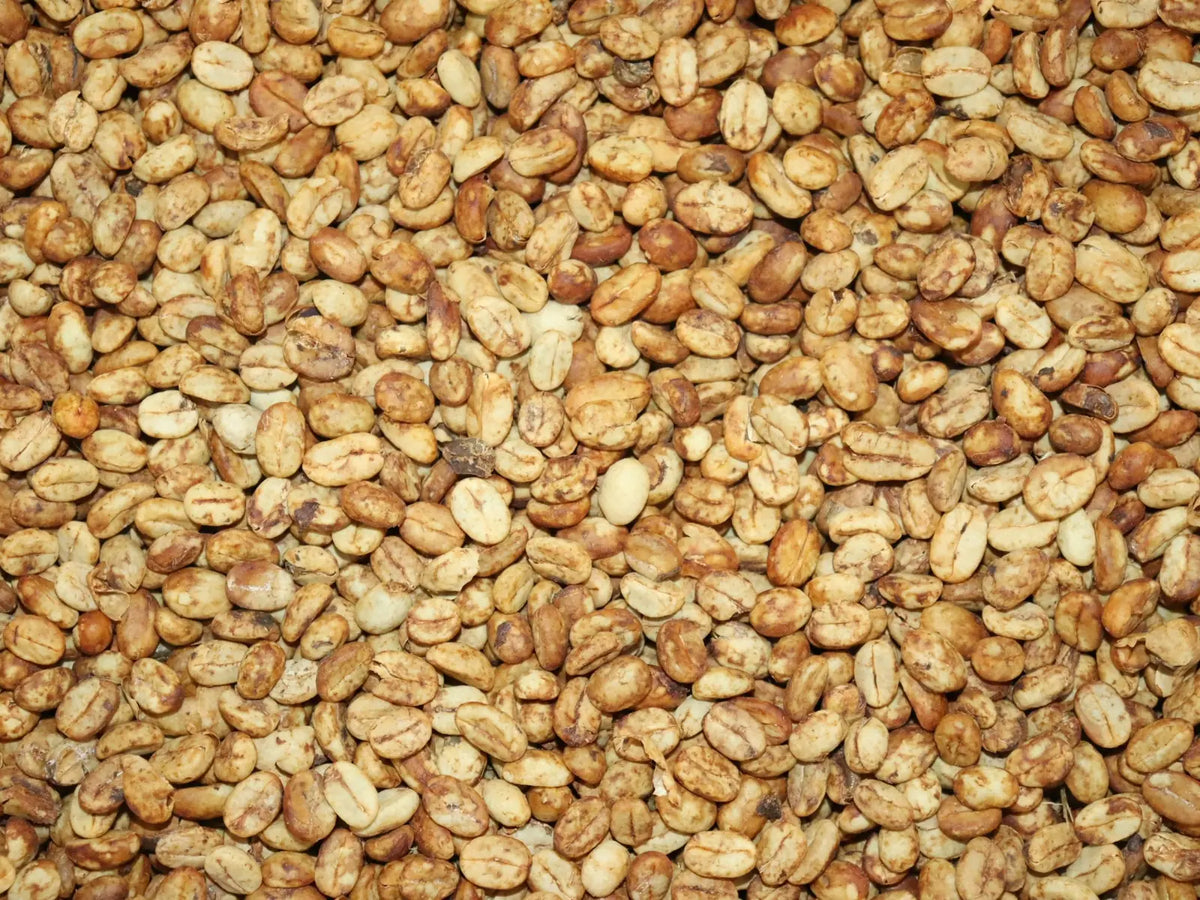
Processing / Honey
During honey processing, the skin and pulp are removed. Part or all of the sticky mucilage layer remains on the parchment during drying. Honey is not added.
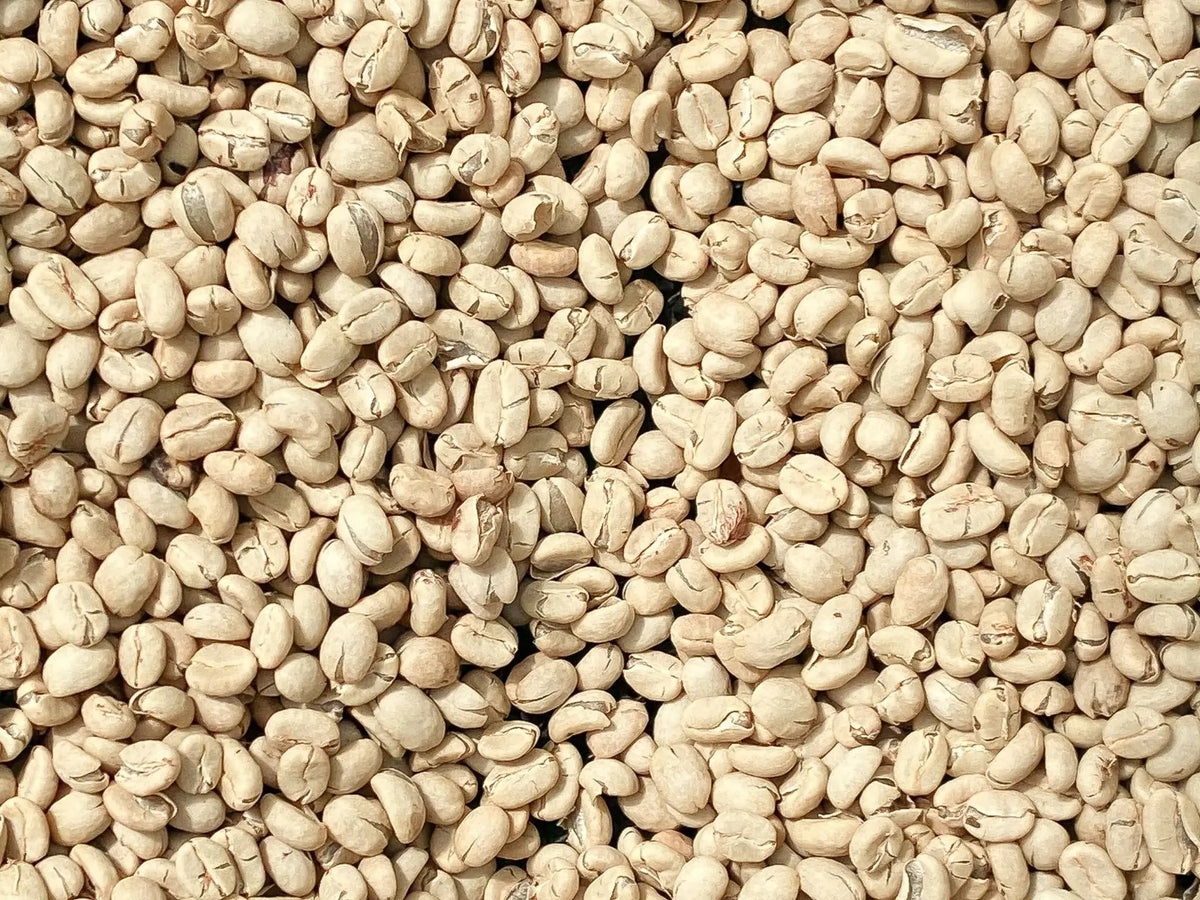
Treatment / Washed
In washed processing, the hull, pulp, and mucilage are removed before drying. This can support a clean flavor profile; origin, variety, fermentation, and roasting also play a role.
Acid
The vibrancy of a coffee. It makes it fresh and clear.
Body
How full-bodied and round the coffee feels in the mouth.
Aftermath
What remains after swallowing, and for how long.
ORIGEN · Colombian Coffee
Your browser or VPN is blocking the cookie settings, for example an ad or tracking blocker. Turn it off for this site to change your choice.


